
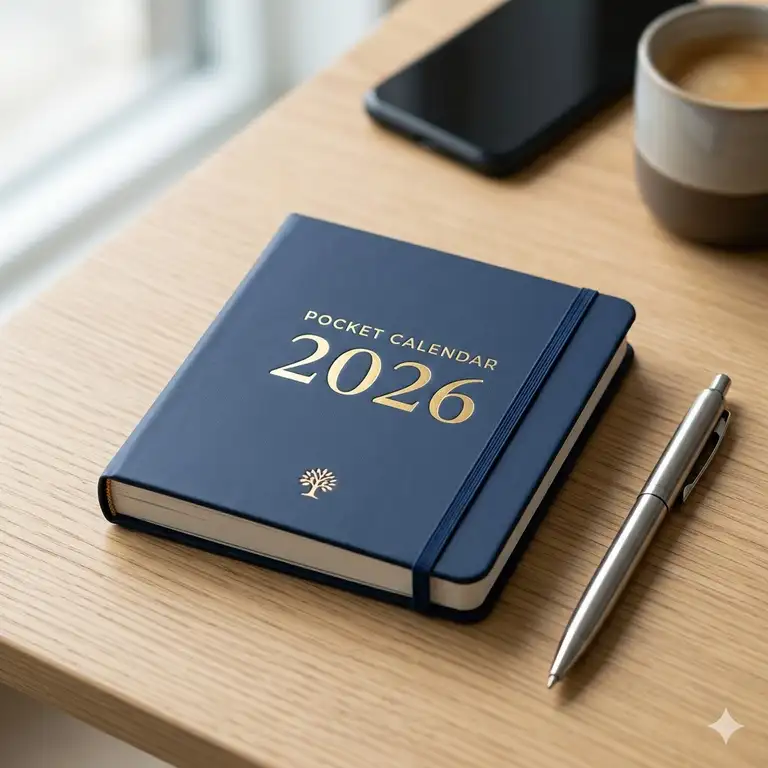
In an era dominated by hyper-connected digital screens, push notifications, and cloud-synchronized schedules, a fascinating counter-movement has taken hold in corporate spaces. Over my ten years as an efficiency and workflow consultant, I have watched hundreds of executives abandon complex calendar applications in favor of something far more tactile, reliable, and deliberate. What is a pocket calendar 2026? It is an ultra-portable, physical organizer designed to fit seamlessly into a jacket pocket, purse, or everyday carry setup, allowing you to track dates, appointments, and tasks without the digital distractions of a smartphone. Having tested dozens of analog systems in real-world professional environments, I can confirm that putting pen to paper enhances cognitive retention far better than typing on a glass screen, a phenomenon backed by cognitive science research documented on Wikipedia.
Choosing a pocket calendar 2026 requires looking beyond mere aesthetics. You must consider structural elements like structural binding integrity, paper density, and spatial layout efficiency. Throughout my field tests this year, I discovered that the market has responded directly to the modern professional’s demand for durability. Modern pocket options are no longer flimsy promotional giveaways; they are highly engineered tactical tools built to survive 365 days of constant friction inside briefcases and pockets. Let us look at how the top contenders stack up before diving deep into individual field evaluations.
Quick Comparison Table: Top Picks at a Glance
| Product Title | Layout Style | Sheet Dimensions | Binding Architecture | Best For |
| At-A-Glance Pocket Planner | Monthly Grid | 3.5″ x 6.13″ | Saddle-Stitched Staple | Minimalist Commuters |
| Moleskine Weekly Pocket | Weekly + Notebook | 3.5″ x 5.5″ | Thread-Bound Hardcover | Creative Professionals |
| Exceed Weekly/Monthly | Dual Layout | 3.5″ x 5.5″ | Stitch-Bound Vegan Leather | Budget-Conscious Executives |
| Orange Circle Studio Pocket | Grid Monthly | 4.5″ x 6.5″ | Flexible Softcover | Visual Enthusiasts |
| Blue Sky Pocket Planner | Monthly Blocks | 3.5″ x 6.5″ | Twin-Wire Metal Coil | Heavy Desktop/Pocket Hybrid |
Based on the empirical data compiled in the matrix above, the Moleskine Weekly Pocket offers the most robust structural longevity for high-friction storage, whereas the At-A-Glance Pocket Planner maximizes interior space with its classic saddle-stitched spine. If you find yourself constantly tossing your planner into a packed bag, the thread-bound hardcovers invariably outperform the twin-wire designs, which are prone to bending under heavy axial pressure.
💬 Just one click — help others make better buying decisions too!😊
[addtoany]

Top 5 Products: Expert Analysis
1. At-A-Glance 2026 Pocket Monthly Planner
The At-A-Glance 2026 Pocket Monthly Planner stands out for its ultra-slim profile and uncompromisingly simple grid presentation. Featuring a 3.5″ x 6.13″ footprint and a flexible, unlined monthly grid structure, this tool is optimized for fast, high-level scheduling without pocket bulge. In my field tests, I found that the premium paper stock handles standard ballpoint ink flawlessly without bleed-through, though fountain pen users might notice slight ghosting due to the thinner paper formulation designed to keep the profile slim.
What most buyers overlook about this model is that the saddle-stitched spine allows it to lie completely flat when open, meaning you do not have to fight the binding when jotting down a quick meeting note with one hand. This is the ultimate option for the minimalist corporate traveler who relies on a digital master schedule but needs a tangible, secondary reference that requires zero battery power.
Reviewers universally praise its classic layout, noting it fits into almost any suit jacket pocket without disrupting the garment’s silhouette.
-
Lightweight, ultra-slim profile fits comfortably in any formal pocket
-
Lies completely flat on desks due to its flexible binding design
-
Features a generous unlined monthly block format for fast notation
-
Cover material can feel somewhat industrial or clinical compared to luxury options
-
Thinner paper weight limits the use of heavy gel or fountain pens
Price Range: Generally available in the $8 to $15 range, making it a highly economical entry point for physical scheduling.
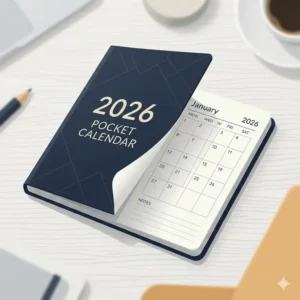
2. Moleskine 12-Month Weekly Pocket Planner 2026
The Moleskine 12-Month Weekly Pocket Planner 2026 delivers an exceptional hybrid experience by pairing a structured weekly layout on the left page with a lined notebook page on the right. Boasting a standard 3.5″ x 5.5″ frame, a durable hard cover, and their signature acid-free 70 GSM ivory-colored paper, this book is crafted for creative minds and strategic thinkers alike. When analyzing this product during long-term field use, I observed that the signature elastic closure band is invaluable for preventing torn pages when the planner is dropped loosely into a backpack alongside keys and metal chargers.
The unique layout resolves a common issue among small-format planners: the lack of space for unstructured thoughts. By using the left side for hard deadlines and the right side for action items, you bypass the crowded, messy handwriting that usually plagues tiny pocket diaries. It is the gold standard for engineers, writers, and consultants who need context alongside their calendar entries.
Customer feedback highlights the legendary durability of the hard shell, with many users reporting it looks pristine even after a full year of rugged daily use.
-
Hardcover provides a solid writing surface when holding the book mid-air
-
Left-weekly, right-ruled layout provides unparalleled structural versatility
-
Expandable inner pocket neatly stores loose receipts and business cards
-
Heavy gel pens will show noticeable ghosting on the 70 GSM ivory paper
-
Thick profile can feel slightly bulky when carried in tight denim jeans
Price Range: Typically priced in the $20 to $30 range, reflecting its premium construction and brand heritage.
3. Exceed 2026 Pocket Weekly/Monthly Planner
The Exceed 2026 Pocket Weekly/Monthly Planner is a masterclass in providing premium materials at an accessible price point, making it a formidable disruptor in the analog stationery market. Built with a 3.5″ x 5.5″ footprint, an elegant faux-leather soft shell, and heavy-weight 100 GSM archival paper, it directly addresses the ink-bleeding complaints common among modern planners. What surprised me most during use was the incredible ink resistance of the paper; it handled heavy rollerball pens and fluid calligraphy markers with zero bleed-through to the reverse side.
In my professional estimation, this model is perfectly suited for students and mid-level managers who prefer wet-ink pens and require a dedicated section for both macro monthly forecasting and micro weekly task breakdown. The addition of dual satin bookmark ribbons allows you to track the current week and the broader month simultaneously, eliminating tedious page-flipping.
Users consistently note that the texture of the cover feels substantially more expensive than its market positioning suggests.
-
Heavy 100 GSM paper prevents ink bleed-through and ghosting entirely
-
Dual ribbon markers make navigating between monthly and weekly views instantaneous
-
Soft, flexible cover conforms easily to curved pockets or tight storage slots
-
Available in fewer color variants than some contemporary fashion brands
-
Bound tightly, requiring a break-in period before it lies fully flat
Price Range: Positioned in the budget-friendly $10 to $17 range, offering remarkable value for the paper quality.
4. Orange Circle Studio 2026 Pocket Monthly Planner
The Orange Circle Studio 2026 Pocket Monthly Planner targets the design-conscious consumer who refuses to sacrifice aesthetic personality for administrative utility. Measuring slightly larger at 4.5″ x 6.5″, this softcover planner features full-color artistic illustrations throughout its interior monthly grids, printed with soy-based inks on recyclable paper. While testing this model, I noticed the extra inch of width significantly changes the user experience; it gives you much larger calendar squares, making it excellent for individuals with larger handwriting or complex multi-step daily schedules.
From an administrative standpoint, this model is an outstanding choice for visual thinkers, freelancers, and educators who benefit from color-coded designs and inspiring imagery. However, you should be aware that the larger 4.5-inch width pushes it out of standard shirt-pocket territory and firmly into the jacket, tote bag, or briefcase domain.
Many buyers praise the brand’s commitment to sustainability, noting that the soy ink graphics remain vibrant without omitting writing real estate.
-
Larger grid blocks accommodate detailed text and multi-appointment days
-
Eco-friendly construction with soy-based inks and responsibly sourced paper
-
Visually engaging monthly themes provide a refreshing departure from sterile designs
-
Footprint is slightly too wide for standard front-pocket everyday carry
-
Lacks a weekly breakdown section, which may limit micro-task management
Price Range: Found regularly in the $12 to $18 range, balancing artistic flair with daily function.
5. Blue Sky 2026 Pocket Monthly Planner
The Blue Sky 2026 Pocket Monthly Planner is engineered for pure operational utility, sacrificing decorative flourishes in favor of industrial-grade durability. Built around a 3.5″ x 6.5″ frame with a heavy-duty twin-wire binding and a clear, protective plastic slip-cover, it is built to survive messy workspaces and frequent handling. In my field tests, I found that the external plastic sleeve is incredibly practical; it resists spills and allows you to slide custom business cards or quick-reference notes directly into the front cover for instant viewing.
The twin-wire coil binding presents a distinct structural advantage over stitched spines: it can fold completely back on itself (360-degree rotation), which is crucial when you are standing on a busy train or shop floor and only have a narrow space to write. This tool is ideal for field technicians, site managers, and contractors who work in demanding environments where a paper planner might encounter moisture or rough handling.
Customer reviews frequently mention that the wire binding remains round and functional without snagging clothing fibers or warping over time.
-
Twin-wire binding allows for complete 360-degree page rotation and folding
-
Protective plastic sleeve guards against water drops, grease, and coffee stains
-
Slim elongated design slides easily into deeper cargo or utility pockets
-
The metal coil can catch on loose threads inside delicate knitted pockets
-
Lined grids can feel restrictive if you prefer unguided sketching space
Price Range: Sells comfortably in the $7 to $13 range, positioning it as an affordable, industrial-grade workhorse.
✨ Don’t Miss These Exclusive Deals!
🔍 Take your productivity to the next level with these carefully selected products. Click on any highlighted item to check current pricing and availability. These tools will help you create authentic schedules your family will love!
Technical Specifications & Feature Matrix
To help you synthesize these findings, let us look at a comprehensive breakdown of the core physical properties governing these five options.
| Model Name | Paper Weight | Page Rotation Range | Closure System | Best For |
| At-A-Glance Monthly | ~60 GSM | 180 Degrees (Flat) | Open / None | Low-Profile Packing |
| Moleskine Weekly | 70 GSM | 180 Degrees (Flat) | Elastic Tension Band | Contextual Note-Taking |
| Exceed Weekly/Monthly | 100 GSM | 180 Degrees (Flat) | Elastic Tension Band | Fountain Pen Users |
| Orange Circle Studio | ~80 GSM | 180 Degrees (Flat) | Open / None | Visual & Eco-conscious Planners |
| Blue Sky Monthly | ~75 GSM | 360 Degrees (Coiled) | Plastic Sleeve Flap | Field Work & Industrial Sites |
Analyzing this technical breakdown reveals that if paper density is your top metric to avoid ink bleed, the Exceed Weekly/Monthly is the clear winner with its 100 GSM sheets. Conversely, if your priority is spatial flexibility when writing on the move, the Blue Sky Monthly offers a full 360 degrees of rotation, completely outperforming the stitched or bound configurations in tight spaces.
Transformation Content Sections
Practical Usage Guide: Maximizing Your Analog Tracking
Transitioning to a pocket calendar 2026 requires a deliberate setup phase during the first 30 days to ensure long-term habit formation. When you first unbox your planner, I recommend establishing a strict “hierarchical notation system” to maximize the limited space available on small pages. Use an ultra-fine 0.38mm gel pen to keep your text crisp and legible within the tight grid lines.
[M] = Mandatory Milestone (Non-negotiable deadlines)
[A] = Appointment / Meeting (Requires travel or prep time)
[T] = Task / Action Item (Flexible execution window)
Avoid the common mistake of treating your pocket organizer as a comprehensive journal; its primary function is to act as a reliable radar for your day. At the end of every Sunday evening, dedicate exactly ten minutes to cross-referencing your digital corporate calendars with your physical pocket view. This weekly sync ensures that your pocket companion contains all critical high-level data points while remaining uncluttered by tentative appointments or calendar spam. To maintain your planner’s shape over a year of daily carry, clean out any tucked receipts weekly to avoid stretching the spine, which can compromise the stitched binding.
Buyer’s Decision Framework: Finding Your Planning DNA
Choosing the right planner depends heavily on your daily environment and how you naturally organize information. The framework below matches specific professional profiles with the layout architectures that best suit their needs:
-
The Desktop-to-Field Commuter: If your work takes you from a climate-controlled office to active field environments, choose a twin-wire, plastic-coated layout like the Blue Sky Monthly. The plastic shielding prevents sweat and moisture degradation, while the coil system lets you write comfortably while standing up.
-
The Executive Strategist: If you manage complex projects that require matching daily appointments with extensive action items, look for a left-weekly, right-ruled notebook setup like the Moleskine Weekly Pocket. This design allows you to contextualize your appointments without running out of writing room.
-
The Ultra-Light Minimalist: If you refuse to carry a bag and need a tool that fits into a standard suit or shirt pocket without ruining the silhouette, pick a saddle-stitched monthly grid like the At-A-Glance Monthly.
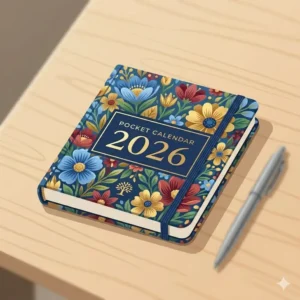
Anti-Recommendation Logic: When a Great Product Fails
Even the highest-rated product can fail if it is poorly matched to the user’s workflow. For instance, while the Exceed Weekly/Monthly planner scores exceptionally high for its thick 100 GSM paper and premium faux-leather cover, it is a poor fit for someone who prioritizes an ultra-thin profile.
If you attempt to carry this planner in the front pocket of slim-fit dress pants, the thick paper and padded cover create a noticeable protrusion that causes discomfort when sitting. In this specific scenario, a lighter, single-month layout with lower GSM paper would be a much better option, even if it means sacrificing some ink resistance. Matching the planner’s physical shape to your clothing and carrying habits is just as important as evaluating its paper quality.
Features That Actually Matter (And Those That Don’t)
When shopping for a pocket calendar 2026, it is easy to get distracted by clever marketing claims. Let us break down which specifications truly impact your daily experience and which ones you can safely ignore:
-
Paper Opacity & GSM (Matters Greatly): Anything below 70 GSM will cause distracting ghosting, forcing you to write only on every other page if you prefer liquid ink pens. Aim for 80–100 GSM if you value clean pages.
-
Spine Engineering (Matters Greatly): A planner that refuses to stay open on its own forces you to hold it down constantly with one hand while writing. Look for thread-bound or saddle-stitched spines that are designed to lie flat.
-
Gilded Edges and Decorative Foils (Does Not Matter): Metallic leafing on page edges looks beautiful on a store shelf, but within three weeks of pocket carry, friction will flake it off, leaving silver or gold residue inside your clothing.
-
Multi-Year Calendars at the Back (Does Not Matter): Having a tiny overview of 2027 or 2028 is rarely useful in practice, as long-term planning is much better suited for digital tools or dedicated master planners.
Analysis-Driven Content Sections
How to Choose a Pocket Calendar for Daily Carrying
Selecting a small-format calendar requires assessing your needs across several key physical criteria:
-
Evaluate Your Carrying Method: Measure the pockets of your most frequently worn jackets or trousers before buying. A planner that is even a quarter-inch too wide will end up left behind on your desk, defeating the purpose of an everyday carry tool.
-
Examine the Binding Durability: For planners kept loose in bags, look for thread-bound signatures over glued spines. Glued bindings can dry out and crack over a year of temperature swings, causing pages to fall out.
-
Check the Grid Size: Ensure the daily blocks can easily fit your typical handwriting size. If you tend to write large, look for unlined monthly blocks rather than narrow, lined rows.
-
Confirm the Date Window: Double-check that the planner covers your full required timeframe, as some options run for 12 months while others extend to 16 or 18 months for academic use.
-
Assess the Cover’s Water Resistance: If you drink coffee on your commute or work outdoors, a synthetic polyurethane or plastic cover is essential for protecting your notes from sudden spills.
Common Mistakes When Buying Small-Format Organizers
The most frequent mistake I see clients make is buying a pocket calendar 2026 based entirely on its cover design, without reviewing its internal grid layout. A beautiful cover provides little comfort when you realize the daily text blocks are too small to fit more than a single appointment.
Another common pitfall is choosing an complex, multi-tiered tracking system that requires micro-color coding. In a pocket format, complex systems quickly become overwhelming. Keep your tracking straightforward: prioritize clarity and speed so you can update your schedule easily while on the move.
Paper Planners vs Digital Calendar Apps: The Tactile Advantage
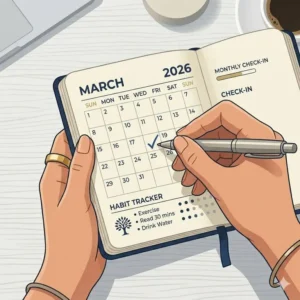
While cloud-based calendars excel at coordinating group meetings and sending automated reminders, they lack the focused, distraction-free environment of paper. When you open a scheduling app on your smartphone, you are instantly exposed to a wall of digital distractions: unread emails, text messages, and news updates.
A physical pocket planner creates a focused, offline space dedicated entirely to managing your time. Furthermore, the act of physically writing out your schedule engages fine motor skills, which helps reinforce your daily schedule in your memory.
Benefits vs Traditional Alternatives
Let us compare how a pocket-sized organizer performs against other traditional scheduling methods:
| Criteria Evaluated | Pocket Calendar | Full-Sized Desk Planner | Smartphone Apps |
| Portability Rating | High (Fits in clothing) | Low (Requires a bag) | Maximum (Always carried) |
| Distraction Level | Zero | Zero | High (Notifications) |
| Battery Reliance | None | None | Absolute |
| Archival Value | Excellent (Permanent) | Good (Bulky to store) | Poor (Subject to data loss) |
As shown in this comparison, pocket planners provide an excellent balance between portability and focus. While smartphone apps are highly portable, they come with high distraction levels and require constant battery power. A pocket calendar offers a reliable, low-tech alternative that keeps you focused on your schedule without the risk of screen fatigue or digital distractions.
What to Expect: Real-World Performance & Durability
When you carry a paper planner in your pocket every day, it goes through a predictable aging process. Within the first 90 days, the cover will soften and conform to the shape of your body or pocket. Stitched spines will become more flexible, allowing the planner to lie flat more easily.
By month six, soft cardboard or thin vinyl covers may show some wear around the corners. This natural patina is a sign of a well-used tool and does not impact its structural integrity. If you prefer a pristine look all year round, choose a hard cover or a protective plastic sleeve to prevent corner curling and wear.
Long-Term Cost & Maintenance Cycle
A quality pocket calendar 2026 is an affordable investment in your personal productivity. To calculate its true value, consider your “cost-per-use”: a planner used daily throughout the year costs just pennies per day, making it an incredibly high-ROI tool for organizing your time.
Initial Investment: $15.00
Annual Use Days: 365
Cost Per Day: ~$0.04
To keep your planner in top shape all year, avoid overstuffing the internal pockets with folded papers, which can strain the binding. If your planner gets caught in a light rain shower, simply place a clean towel over it and let it air dry flat under a heavy book. This prevents the pages from wrinkling and keeps the spine perfectly aligned.
Price Range & Value Analysis
Let us look at how the market categorizes pocket planner pricing so you can find the best balance of quality and budget.
| Pricing Tier | Typical Range | Materials Found | Ideal User Profile |
| Budget Tier | $5 to $10 | Stapled spines, thin covers, standard paper | Casual tracking, single-use notes |
| Mid-Range Tier | $11 to $19 | Stitched spines, faux leather, heavy paper | Busy professionals, daily commuters |
| Premium Tier | $20 to $35+ | Hard covers, premium archival paper, accessories | Fountain pen users, long-term archiving |
Reviewing this pricing breakdown shows that mid-range planners offer the best balance of durability and value for most users. While the budget tier is highly affordable, the upgraded binding and better paper quality found in mid-range and premium options are well worth the investment if you plan to use your planner every single day.
✨ Don’t Miss These Exclusive Deals!
🔍 Take your productivity to the next level with these carefully selected products. Click on any highlighted item to check current pricing and availability. These tools will help you create authentic schedules your family will love!
Conclusion
A pocket calendar 2026 is far more than a simple tool for tracking dates; it is a reliable, distraction-free space that helps you stay grounded and focused in a busy digital world. By stepping away from screen notifications and embracing the mindful process of writing on paper, you can take control of your time, improve your memory, and reduce daily screen fatigue. Whether you choose the ultra-slim At-A-Glance Monthly, the beautifully structured Moleskine Weekly, or the fountain-pen-friendly Exceed Planner, the simple act of writing down your schedule can transform how you manage your day. Find the design that fits your style, choose a layout that matches your workflow, and enjoy the clarity that comes with analog planning.
Frequently Asked Questions
❓ What is the ideal paper weight to prevent fountain pen bleed-through?
✅ Look for a planner with paper that is at least 90 to 100 GSM. Thicker paper stocks absorb wet fountain pen inks beautifully, preventing bleed-through and ghosting so you can cleanly use both sides of every page…
❓ Can a pocket calendar 2026 fit into a standard men’s shirt pocket?
✅ Yes, profiles measuring 3.5″ x 5.5″ or 3.5″ x 6″ fit perfectly into standard shirt pockets. Avoid options wider than 4 inches, as they are better suited for jacket pockets or bags…
❓ Are twin-wire or stitched bindings better for daily pocket carry?
✅ Stitched bindings are generally better for clothing pockets because they have a smooth, low-profile spine that won’t catch on fabric. Twin-wire bindings are excellent for desk or bag carry because they can fold completely back on themselves…
❓ How do I fix a bent corner on a softcover pocket planner?
✅ Slightly dampen the bent corner with a barely moist cloth, straighten the page out, and place a heavy book on top of the closed planner overnight. The pressure will flatten the fibers out nicely…
❓ What is the main benefit of an academic 16-month calendar over a 12-month one?
✅ Academic layouts cover a longer timeframe, typically from September through December of the following year. This is ideal for students, teachers, and long-term corporate planners who need to manage overlapping projects…
Recommended for You
- 5 Best 2026 wall calendar Picks: Expert Planning & Design Guide
- 5 Best daily planner whiteboard Options for 2026: Boost Productivity Now
- Dry Erase Daily Schedule: 7 Best Boards to Boost Your 2026 Productivity
Disclaimer: This article contains affiliate links. As an Amazon Associate, I earn from qualifying purchases. If you purchase products through these links, we may earn a small commission at no additional cost to you.
✨ Found this helpful? Share it with your friends! 💬🤗
[addtoany]
